

Choosing the best time to visit Kenya and Tanzania depends on what you want to experience. Each season offers unique wildlife viewing opportunities, landscapes, and varies in terms of crowds and pricing. Understanding the distinct seasonal patterns in East Africa is crucial for planning a safari that aligns with your wildlife viewing priorities, budget constraints, and preferred travel conditions.
Dry Season (June to October)
The dry season is considered the prime time for safari in both Kenya and Tanzania. With less vegetation and dwindling water sources, wildlife congregates around rivers, waterholes, and lakes, making animals easier to spot and photograph. The Great Migration river crossings in the Masai Mara typically occur during this period (July to October), with the most dramatic Mara River crossings usually happening in August and September when approximately 1.5 million wildebeest and 200,000 zebras risk crocodile-infested waters. In Tanzania’s northern circuit (Serengeti, Ngorongoro), June to July sees the migration heading northwest toward Kenya, while the southern Serengeti and Ngorongoro areas offer excellent year-round wildlife viewing regardless of the migration’s location.
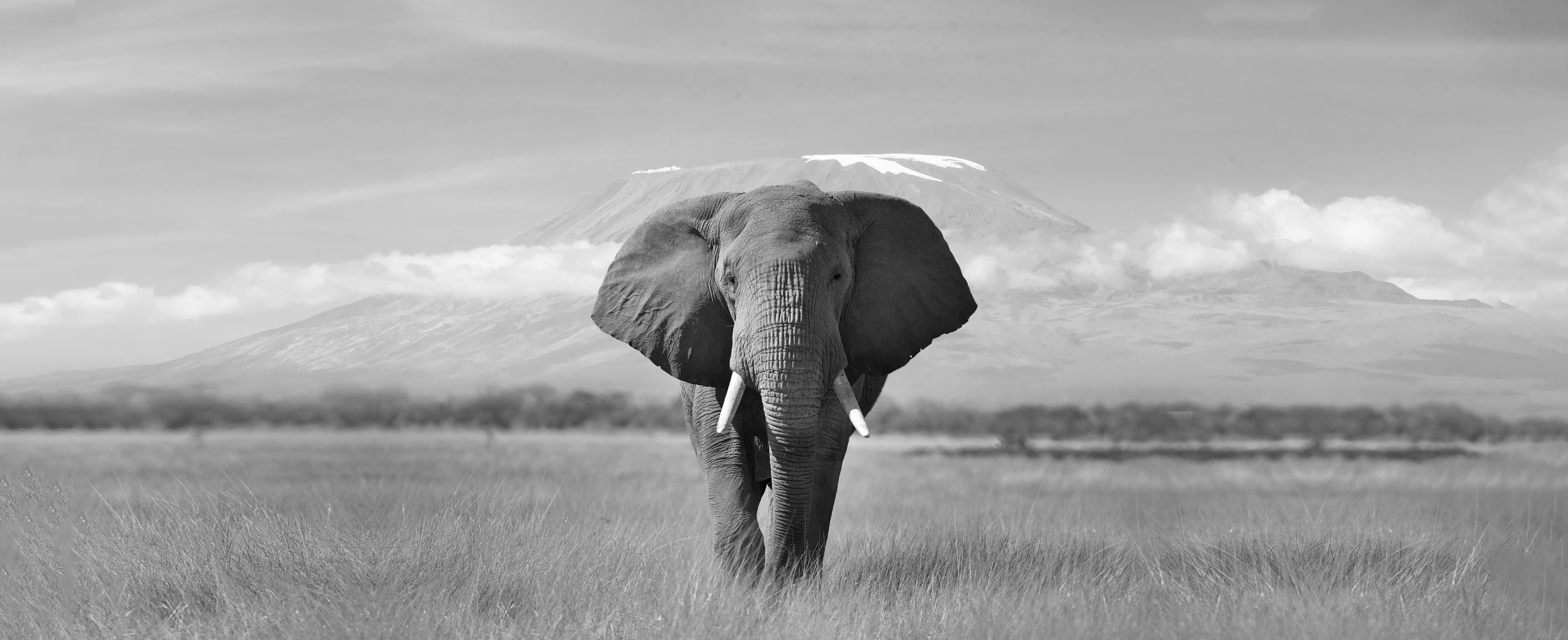
Wildlife viewing during the dry season
Weather: Warm days with average temperatures of 23-29°C (73-84°F) and cool nights ranging from 10-15°C (50-59°F), particularly in highland areas like the Ngorongoro Crater where nighttime temperatures can drop near freezing even in dry season months. Rainfall is minimal, with June-September typically receiving less than 20mm monthly precipitation in most safari regions. Kenya’s coastal areas remain humid year-round. Advantages: Exceptional wildlife concentration around water sources, clear skies ideal for photography, minimal mosquito activity (reduced malaria risk), and comfortable daytime temperatures. Disadvantages: Peak season pricing (30-50% higher than green season), high visitor density at prime wildlife viewing areas (20+ vehicles at river crossings), dusty conditions affecting visibility and equipment, and less dramatic landscapes as vegetation becomes sparse and waterholes dry up.
Green Season (November to May)
The green season is divided into distinct phases: short rains (November-December), a brief dry period (January-February), and long rains (March-May). The landscape transforms into lush greenery, offering beautiful scenery, dramatic skies perfect for photography, and excellent bird watching with migratory species increasing avian diversity by approximately 30%. The calving season for wildebeest occurs in the southern Serengeti from late January to February, with an estimated 8,000 calves born daily during a three-week peak period—a phenomenon that attracts predators and offers exceptional hunting action. Tanzania’s southern and western circuits (Selous/Nyerere, Ruaha, Katavi) are best visited during the early part of the green season when roads remain passable but wildlife is still concentrated around remaining water sources.
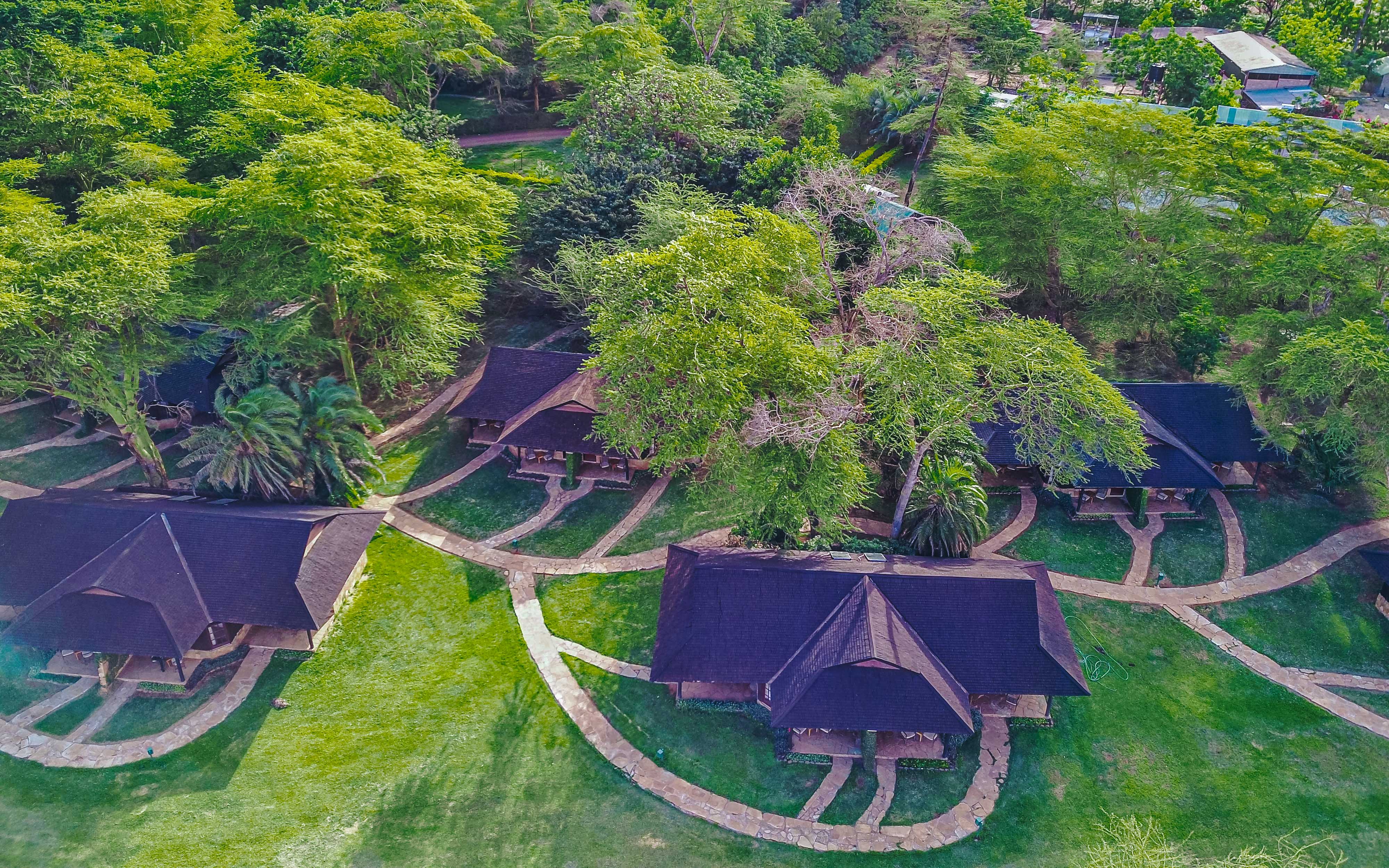
Lush landscapes during the green season
Monthly Breakdown for Key Safari Regions
January-February: In Tanzania’s southern Serengeti and Ndutu region, witness the wildebeest calving season with approximately 400,000 calves born over a three-week period. This spectacle attracts high predator activity, with lion, cheetah, and hyena hunting opportunities abundant. Weather is generally stable with occasional afternoon showers (5-10 days monthly) and comfortable temperatures averaging 28°C (82°F). Kenya’s parks are less crowded with visitor numbers 40-60% lower than peak season. March-May: This marks the long rains with April typically recording the highest precipitation (150-200mm). Some roads become impassable, particularly in Tanzania’s southern and western circuits. Many smaller camps close, especially in April, while permanent lodges offer significant discounts (up to 50% off peak rates). The landscape is at its most verdant, and photography opportunities for atmospheric landscapes are exceptional. Wildlife viewing requires more patience as animals disperse away from water sources. June-October: Peak wildlife viewing coincides with the Great Migration river crossings. July-August sees the highest visitor density—book accommodations 9-12 months in advance for premium locations. Serengeti’s western corridor and northern Masai Mara have the most dramatic migration activity. September offers slightly reduced crowds with excellent wildlife viewing as the migration begins dispersing across the Mara. October marks transition time as short rains approach. November-December: The short rains bring green landscapes without the heavy precipitation of April-May. Wildlife viewing remains good with vehicles spread out. Migration herds begin moving south through eastern Serengeti toward calving grounds. This “shoulder season” combines reasonable rates (25-30% below peak) with good wildlife sightings and lush scenery. Christmas/New Year weeks see a brief spike in visitors and pricing.
Regional Variations
Kenya’s northern regions (Samburu, Laikipia, Meru) operate on slightly different weather patterns than the Masai Mara, with the most arid conditions occurring in January-February and September-October, making these ideal times to visit for wildlife concentration around water sources. The Kenyan coast and Zanzibar experience higher humidity and temperatures year-round, with the most pleasant conditions from June to October when cooler breezes moderate the heat. Tanzania’s southern parks (Nyerere/Selous and Ruaha) are best visited from July to November when wildlife concentrates around the Great Ruaha River and sand rivers. These parks become challenging to navigate during heavy rains from December through April, with some camps closing entirely. Uganda and Rwanda gorilla trekking regions remain wet year-round but experience less rainfall from December-February and June-August, making these the preferred (and more expensive) trekking months, with permits often selling out 6-12 months in advance.
For the best balance of wildlife viewing, pleasant weather, reasonable prices, and moderate crowds, consider visiting during the “shoulder seasons” of November-December or January-February. These periods offer excellent value with most benefits of both peak and green seasons. If witnessing the Great Migration river crossings is your priority, plan for August-September in the Masai Mara, booking accommodations at least 9-12 months in advance.
Additional Resources
Explore these trusted sources for more specialized information on this topic:
Expert Organizations
- African Wildlife Foundation – Research and conservation data
- Kenya Wildlife Service – Official park information
- Tanzania National Parks – Seasonal visitor guidelines
- Weather Underground – Detailed climate forecasts
Recommended Reading
- “African Safari Field Guide” – James Kavanagh
- “The Safari Companion” – Richard Estes
- “Wildlife Photography” – Uwe Skrzypczak
- “East Africa Wildlife Guide” – Lonely Planet