
Capturing the magic of an African safari requires both technical skills and understanding of wildlife behavior. These professional tips, gathered from award-winning wildlife photographers and safari guides with decades of field experience, will help you return home with stunning images that truly reflect your experience. Safari photography presents unique challenges including unpredictable subject movement, challenging lighting conditions, dust, and shooting from moving vehicles—all of which require specific techniques to overcome.
Essential Equipment Selection
Camera Body: A DSLR or mirrorless camera with good low-light performance (capable of clean images at ISO 3200+) is ideal for dawn/dusk game drives when wildlife is most active but light is limited. Full-frame sensors offer advantages in low-light conditions, while crop-sensor cameras provide extra reach for distant subjects. Professional wildlife photographers typically use cameras like the Sony A7R series, Canon EOS R5/R6, or Nikon Z6/Z7 for their combination of speed, resolution, and autofocus performance. Carry a backup camera body if possible, as repairs are nearly impossible while on safari. Lenses: A telephoto zoom lens with minimum 200mm reach is essential, with 100-400mm or 150-600mm being ideal for most wildlife situations. Prime lenses like 300mm f/2.8 or 500mm f/4 offer superior image quality but at significantly higher cost and weight. For landscape and environmental shots, include a 24-70mm or similar standard zoom. A 70-200mm serves as an excellent mid-range option for closer wildlife and portraits. Filters: A circular polarizer reduces glare and enhances colors, particularly useful when photographing subjects near water or during midday sun. Support: A beanbag stabilizer is more practical than a tripod for vehicle-based photography. Place it on window mounts or door frames to stabilize long lenses. If you’re serious about specialist techniques like panning or low-angle shots, pack a lightweight carbon fiber tripod with a gimbal head. Accessories: Bring at least two extra batteries and charge them whenever possible (some lodges only provide power at certain times). Pack sufficient memory cards for 500-700 RAW images daily (64GB minimum per day). Include lens cleaning supplies (microfiber cloths, air blower, lens pen) to combat dust, and a rain cover to protect gear during unexpected showers.
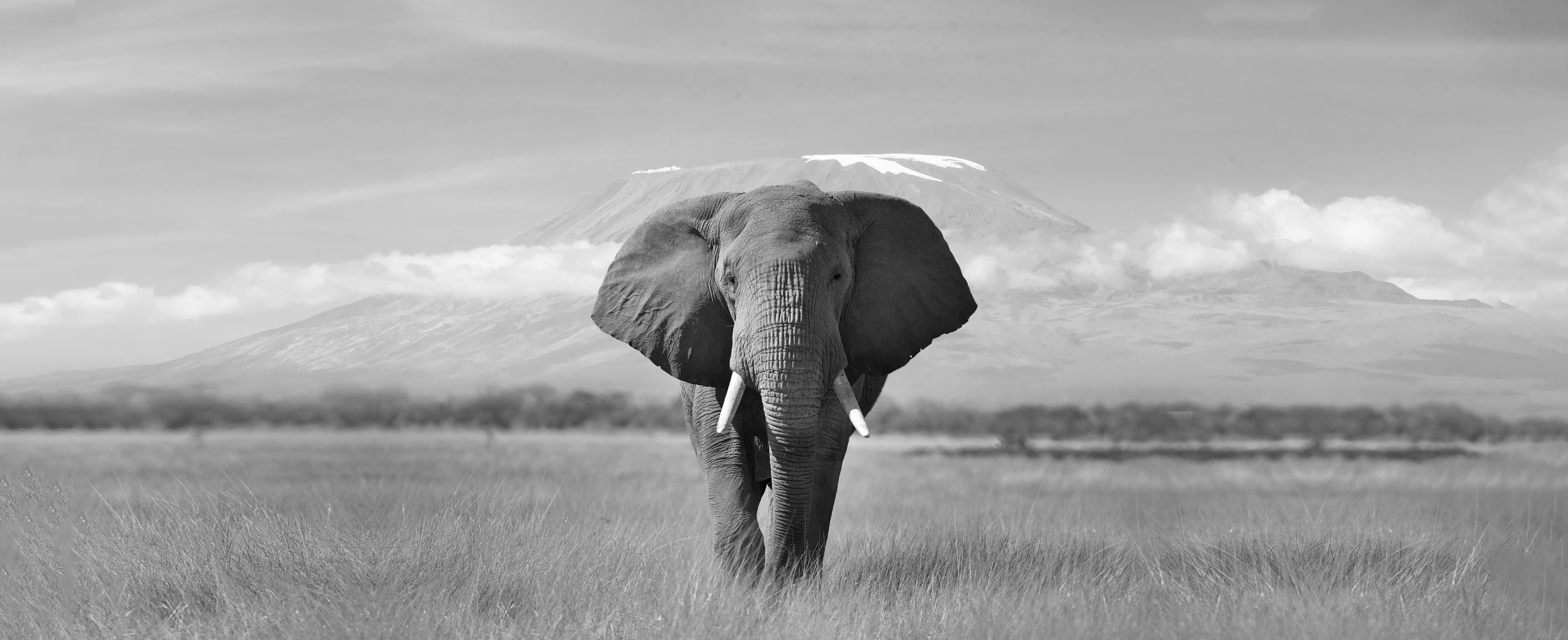
Wildlife photography requires patience and the right equipment
Optimal Camera Settings for Safari Conditions
File Format: Shoot in RAW format for maximum editing flexibility, especially important when dealing with the high-contrast lighting common in African landscapes. This allows recovery of shadow and highlight details that would be lost in JPEG format. Drive Mode: For action sequences like hunting predators or birds in flight, use continuous shooting mode (burst mode) at 8fps or higher. On professional bodies, configure back-button autofocus to maintain focus while allowing separate control of shutter release. Exposure Mode: Aperture Priority (A/Av) mode with Auto ISO is versatile for most safari situations. Set your minimum shutter speed based on the focal length of your lens (e.g., 1/500s for a 500mm lens) and maximum acceptable ISO (typically 3200-6400 depending on your camera). For predictable action sequences, switch to Shutter Priority (S/Tv) with a minimum of 1/1000s to freeze motion. Focusing: Set your camera to continuous autofocus (AF-C or AI Servo) when photographing moving subjects. For stationary subjects in complex environments, single-point AF allows precise focus on the animal’s eye. On modern mirrorless cameras, animal eye-detection AF provides remarkable accuracy. Metering: In most situations, evaluative/matrix metering works well, but for backlit subjects (common during early morning/late evening shoots), spot metering on the subject with +1 exposure compensation helps preserve detail.
Advanced Composition Techniques
Beyond the basic rule of thirds, incorporate these more advanced compositional techniques used by professional wildlife photographers: Negative Space: Position your subject to one side of the frame, leaving empty space that conveys the vastness of the African landscape. This technique is particularly effective with iconic silhouettes against sunrise/sunset skies. Leading Lines: Use natural elements like roads, river banks, or fallen trees to create lines that guide the viewer’s eye toward your main subject. Motion Techniques: Experiment with slow shutter speeds (1/15s to 1/60s) and panning to convey movement in running animals while keeping their eyes sharp. Environmental Context: Periodically zoom out to include habitat elements that tell a more complete story about the animal’s life and ecosystem. Behavioral Sequences: Rather than single shots, capture series that show interesting behavior such as hunting sequences, social interactions, or maternal care. Eye Level Perspective: Whenever safely possible, photograph from a position that puts you at eye level with your subject, creating a more intimate and engaging image that connects the viewer with the animal.

Capturing wildlife in their natural environment
Understanding Safari Lighting Conditions
African safari lighting presents both challenges and incredible opportunities. Golden Hours: The first and last hours of daylight provide warm, directional light that adds dimension and mood to wildlife images. During January-February in East Africa, the golden hour begins around 6:15-6:30am and returns from 6:00-6:45pm. Plan your game drives to be in prime wildlife areas during these times. Midday Challenges: Between 10am and 4pm, harsh overhead sun creates contrasty conditions with deep shadows. This is an excellent time for black and white conversion, which can turn harsh contrast into dramatic imagery. For color photography during these hours, focus on subjects in dappled shade or use fill flash (at -1.5 to -2 stops) to soften shadows on close subjects. Weather Opportunities: Don’t put your camera away during cloudy or rainy conditions. Overcast skies create soft, diffused light perfect for capturing color and detail without harsh shadows. The dramatic skies before and after storms produce spectacular backdrop conditions for landscape and wildlife images. Some of the most emotionally powerful safari images feature animals against stormy skies.
Ethical Wildlife Photography
Responsible photography ensures both your safety and the wellbeing of wildlife. Never ask your guide to move closer if animals show signs of distress (ear-flapping in elephants, staring in predators, or alarm calls). Allow animals to continue natural behavior without disruption—a relaxed subject makes for better photographs. Keep noise to a minimum in vehicles, and avoid sudden movements that might startle wildlife. While it’s tempting to use flash for nocturnal subjects, this can temporarily blind and disorient animals; instead, use high ISO capabilities of modern cameras and faster lenses. When photographing local people, always ask permission first and respect cultural sensitivities. Consider how you can give back to conservation efforts by sharing your images with research organizations or participating in citizen science projects like those run by Snapshot Safari or Zooniverse.
Post-Processing for Safari Images
Safari photographs often benefit from thoughtful post-processing to overcome the challenging shooting conditions. Lightroom adjustments that particularly enhance safari images include: Dehaze tool for cutting through distance haze in landscape shots; Gradient filters to balance bright skies with darker foregrounds; HSL adjustments to enhance the golden tones of savanna grasses while keeping animal tones natural; and Clarity adjustments (+15 to +25) to add definition to fur and feather textures. Develop a consistent processing style that enhances your images without making them appear artificial. Consider creating custom presets for different safari conditions (e.g., golden hour, overcast, or high-contrast midday). Back up your images multiple times while traveling—ideal workflow includes dual memory card slots, portable hard drive backup, and cloud backup when internet access allows.
Remember that experiencing the moment is just as important as photographing it. Professional wildlife photographers know when to put down the camera and simply observe. The emotional connection formed during these unmediated experiences often leads to more insightful photography later. Balance your time between photography and immersion in the safari experience, and you’ll return with not only exceptional images but also lasting personal memories.
Additional Resources
Explore these trusted sources for more specialized information on this topic:
Expert Organizations
- African Wildlife Foundation – Research and conservation data
- Kenya Wildlife Service – Official park information
- Tanzania National Parks – Seasonal visitor guidelines
- Weather Underground – Detailed climate forecasts
Recommended Reading
- “African Safari Field Guide” – James Kavanagh
- “The Safari Companion” – Richard Estes
- “Wildlife Photography” – Uwe Skrzypczak
- “East Africa Wildlife Guide” – Lonely Planet